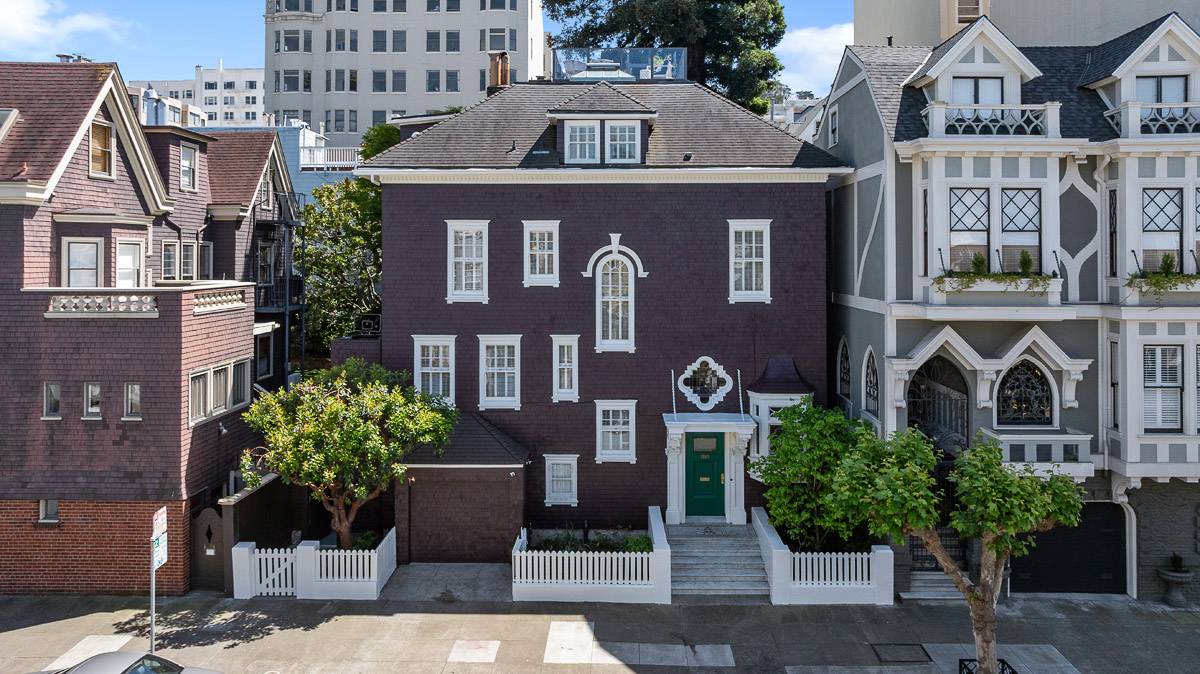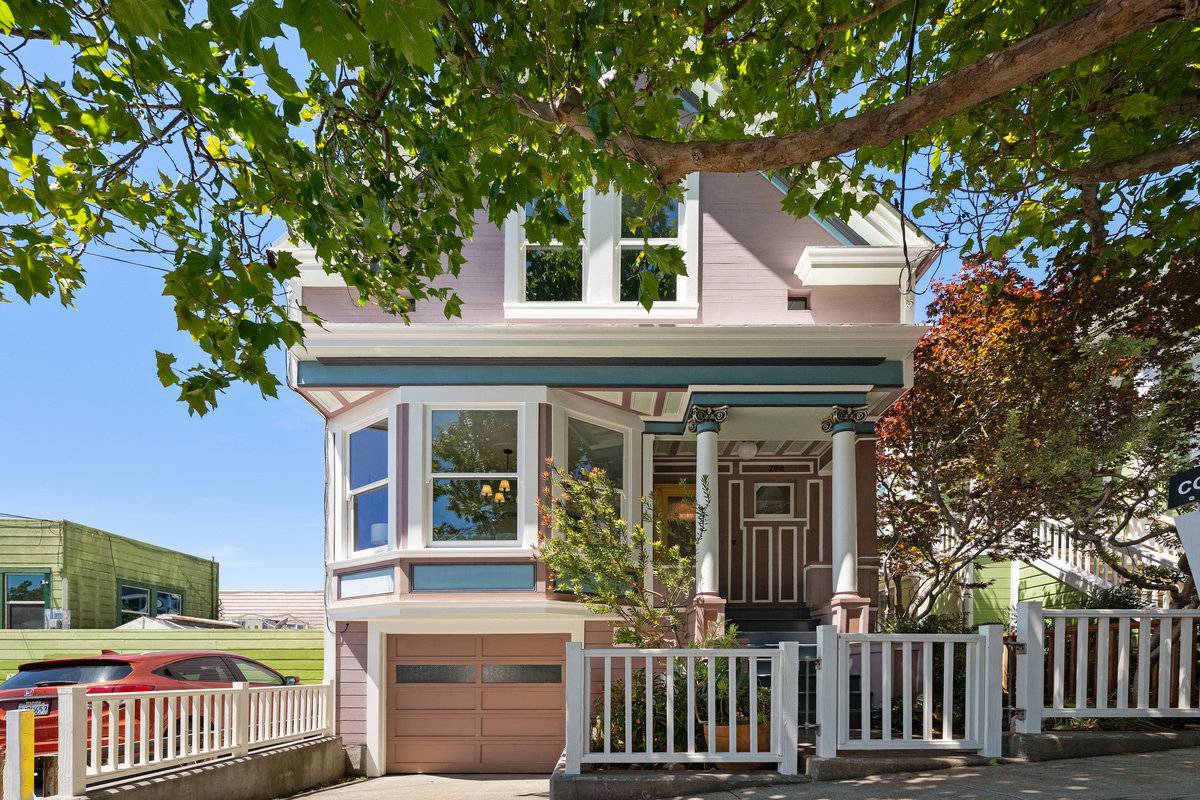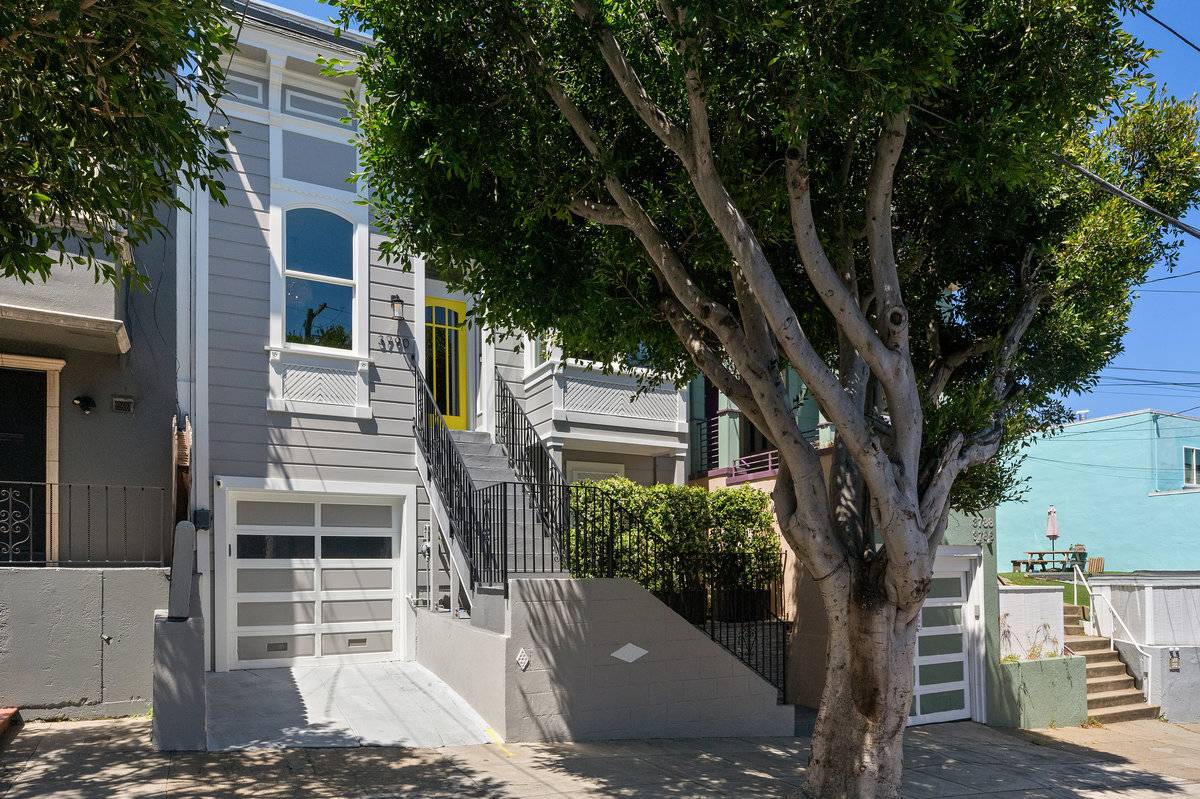

Fun fact about San Francisco history: it's as old as the USA! To celebrate America's 250th, we're digging into how SF housing has evolved through the years.
Back in 1776, while the founders were signing the Declaration of Independence in Philadelphia, a small group of Spanish missionaries and soldiers settled a foggy peninsula on the far side of the continent. They founded Mission San Francisco de Asís, known today as Mission Dolores, along with the Presidio. Both turned 250 years old this year, the same milestone the country is celebrating.
That coincidence is a good place to begin a story about San Francisco real estate. This city has spent every one of those 250 years rethinking what a home is worth and what it means to own one. The American Dream of homeownership took root all across the country. In San Francisco it grew into something bigger and harder to pin down. It has been costlier, more competitive, and rebuilt from the ground up more than once.
As top SF realtors since 2002, our team loves local real estate history (and has been around for a fair chunk of it). Here's the 250-year version, and what it can still teach those buying or selling a home in San Francisco today.
Long before any of this was real estate, the Ohlone people lived on this land for thousands of years. Home meant something closer to belonging than to property. There were no deeds, no listings, and no idea of buying and selling the ground itself.
The Ohlone were not one single tribe but many small, independent groups, each with its own villages and territory across the greater Bay Area. The group whose land included the tip of the peninsula was known as the Yelamu, and their villages sat near reliable fresh water and the shellfish beds along the bay shore. Homes were dome-shaped shelters built from willow branches bent into a frame and covered with woven tule reeds, a design suited to a place with mild winters and no shortage of marsh grass. Families moved between village sites through the year, following the seasons and the food they offered, from acorns gathered in the fall to shellfish and waterfowl harvested along the shoreline. The shell mounds their communities left behind, built up over centuries of gatherings and meals, still mark some of the oldest continuously used sites in the city.
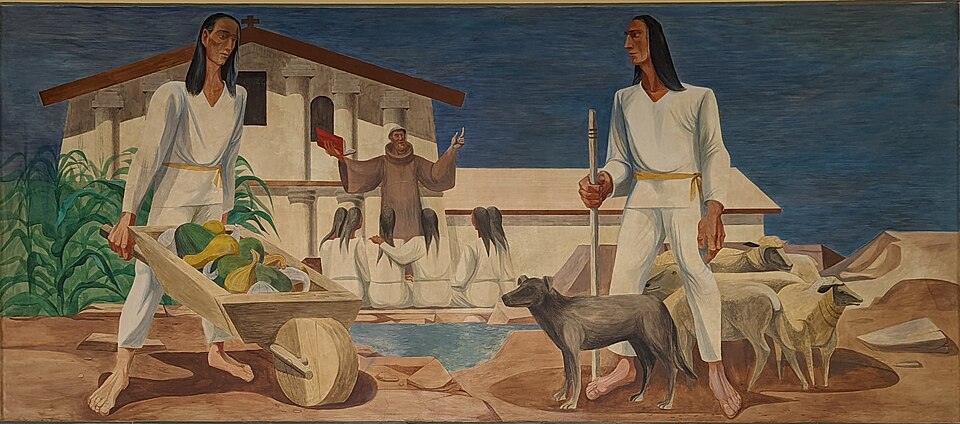
All of that changed with the arrival of the Spanish in 1776 and the founding of the mission and the Presidio. After Mexico won its independence from Spain in 1821, the mission lands were broken up into large ranchos and granted to settlers. Ownership at that point meant enormous tracts of land used for cattle and farming, a world apart from the city lots we trade today.
When the United States took California after the Mexican-American War and the territory became a state in 1850, the stage was set for everything that followed.
Gold was discovered at Sutter's Mill in 1848, and by 1849 the rush was on. San Francisco grew from a town of under a thousand people into a city of tens of thousands within a few years. Ships were abandoned in the harbor as their crews ran for the hills.
Home in those first years was a rough affair. Most residents were single men chasing gold, and they slept in canvas tents, hastily nailed-together wooden shanties, and crowded boarding houses. See photos of turn-of-the-century tent cities here.
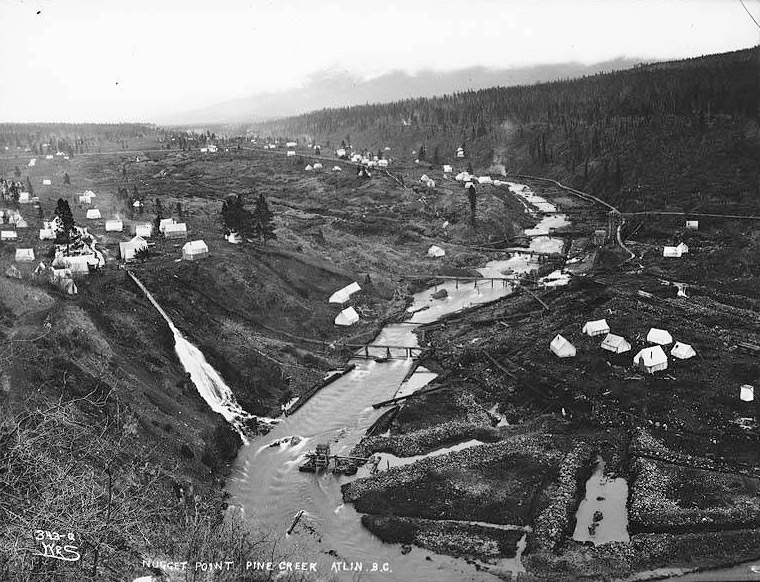
Housing was so scarce at this time that ready-made homes were shipped in by the boatload, arriving in pieces around Cape Horn from the East Coast and as far away as China and Australia to be assembled on the spot. Some of those abandoned ships were dragged ashore and turned into hotels, stores, and lodging, then buried under the streets of today's Financial District as the city filled in its waterfront. Fire tore through the flimsy wooden town again and again in the early 1850s, and each time residents rebuilt within weeks.
This is where San Francisco real estate truly began. Land was bought, sold, and resold at a frantic pace, and fortunes were made and lost in a single season. The city's character was set in those early years. The truth is that San Francisco has been a boom-and-bust town from the very start.
The Gold Rush made San Francisco rich, and the Comstock silver strike in Nevada in 1859 made it richer. Much of that mining money flowed straight back into the city.
One of the biggest fortunes belonged to Adolph Sutro, an engineer who made his money building a drainage tunnel for the Comstock mines and then poured it into San Francisco. He became one of the largest landowners in the city, built landmarks like the Sutro Baths and the Cliff House, served a term as mayor in the 1890s, and lent his name to Sutro Tower, the broadcast tower that still rises over the city today.
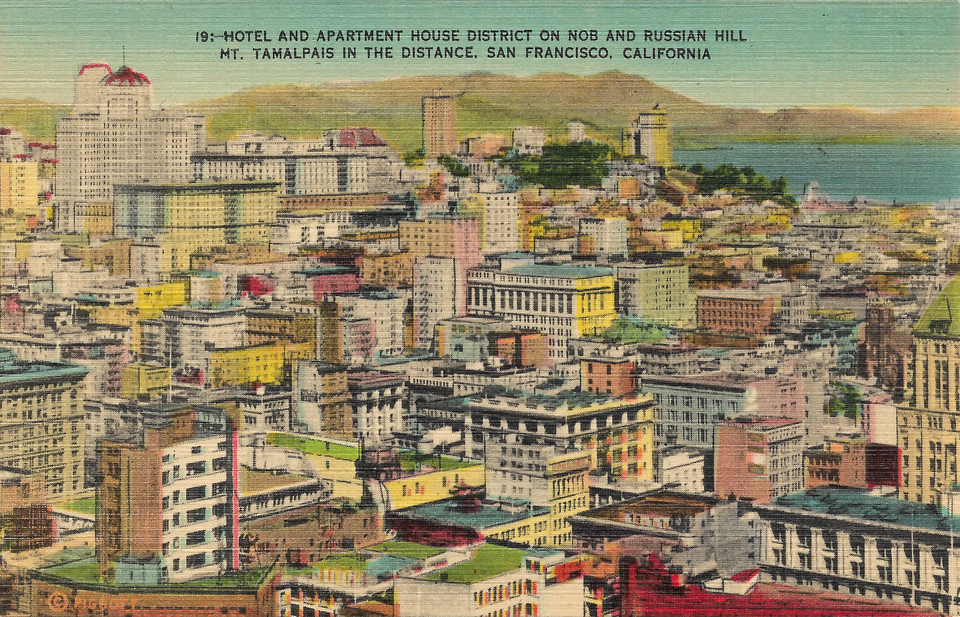
That mining wealth funded a building boom through the late 1800s that gave the city its signature look. Builders worked through a run of Victorian styles, from the flat-fronted Italianates of the 1870s to the elaborate Queen Annes of the 1890s, most of them framed in cheap, plentiful local redwood and dressed up with mass-produced wooden ornament. The arrival of the cable car in 1873 opened up the steep hills that had been hard to build on, and development spread across them.
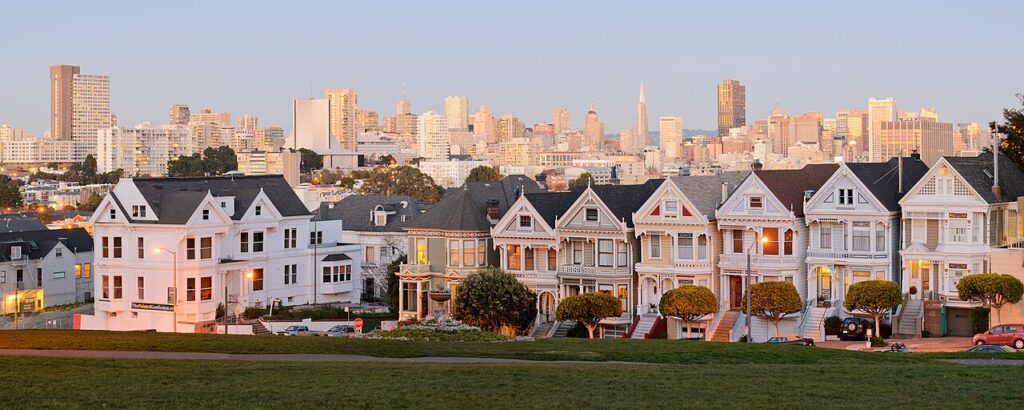
Not everyone lived in a painted showpiece. Developers built long rows of nearly identical houses on narrow 25-foot lots for a growing middle class, and working families and new immigrants filled subdivided flats, boarding houses, and the denser blocks South of Market and in Chinatown. The grand, turreted Queen Annes were the luxury homes of their day, while the modest bay-windowed row house was the everyday reality for most San Franciscans.
These homes still define San Francisco neighborhoods today, from Pacific Heights to the Mission. When a buyer falls in love with a Painted Lady now, they are buying a piece of that original boom.
On April 18, 1906, a massive earthquake struck San Francisco, and the fires that followed burned for days. Much of the city was destroyed, and hundreds of thousands of residents were left homeless. It was one of the worst urban disasters in American history.
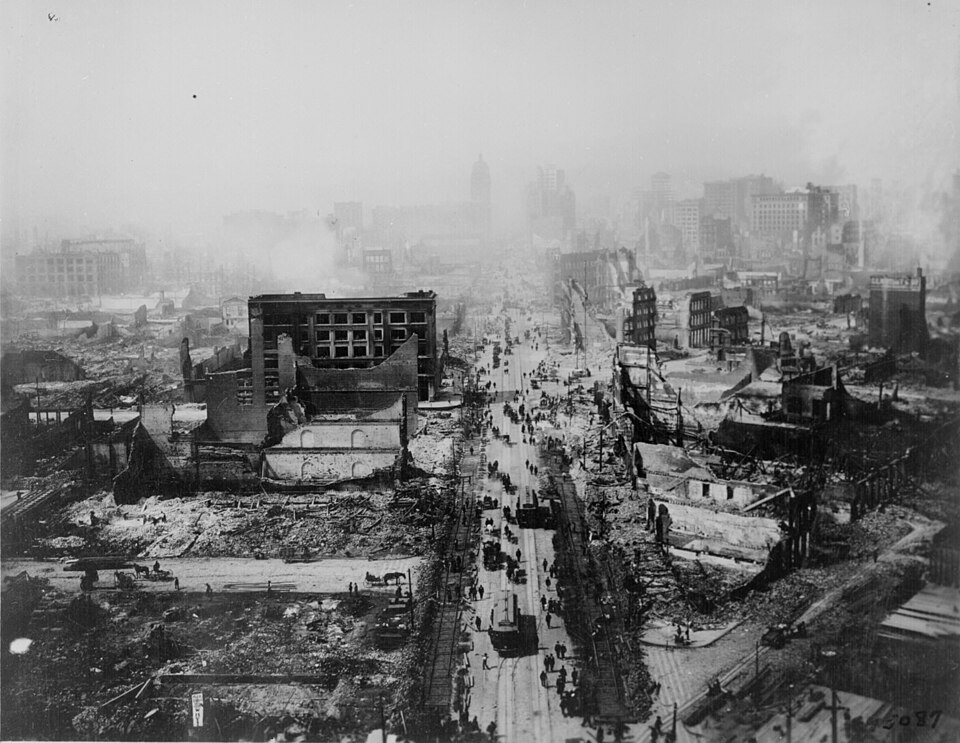
The fire did most of the damage to the city's housing, and it fell hardest on the crowded northeastern core. Flames consumed roughly 28,000 buildings across some 500 blocks, wiping out downtown, South of Market, Chinatown, North Beach, and the mansions of Nob Hill. The worst shaking hit the low-lying blocks built on made ground, the old bay shallows that had been filled with sand and Gold Rush debris, which turned unstable the moment the earth moved.
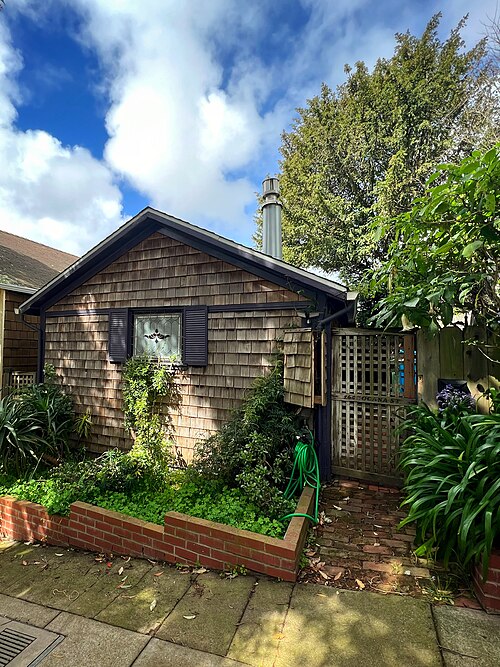
What survived is the reason San Francisco still holds one of the largest collections of pre-1906 Victorians in the country. Crews dynamited a firebreak along Van Ness Avenue and made another stand near Dolores Street in the Mission, and the neighborhoods beyond those lines were largely spared. That is why the oldest housing stock clusters in the same western and central neighborhoods today.
In true SF form, the city rebuilt quickly and ambitiously. Burned districts came back mostly in the cleaner, flatter Edwardian style that had taken over by the 1910s. The 1906 disaster became the first of many moments when people wrote San Francisco off, and the first of many times the city proved them wrong.
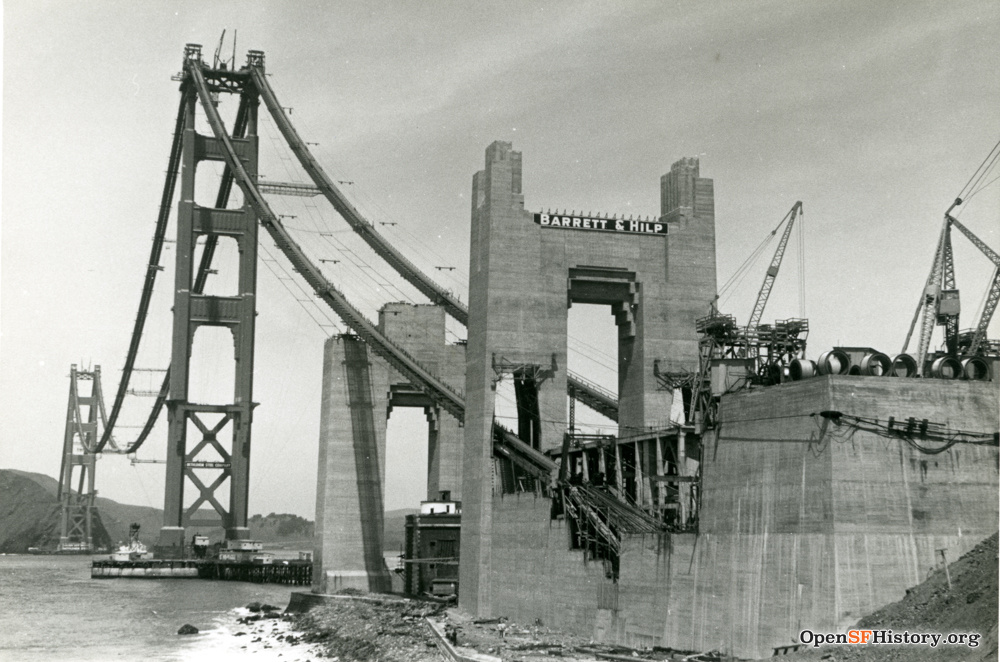
The early decades of the 1900s brought enormous change. The Bay Bridge opened in 1936 (an event remembered as a big, beautiful mess) and the Golden Gate Bridge followed in 1937, connecting the region and making new areas reachable for the first time. World War II turned San Francisco into a major hub, and its shipyards drew workers from across the country.
Among those new arrivals were thousands of Black families moving west during the Great Migration. Many settled in the Fillmore, which grew into a celebrated center of Black culture and jazz that earned the nickname the Harlem of the West. The population climbed, and the demand for housing climbed with it.
To meet that demand, the city marched west. New streetcar tunnels bored through the hills in 1918 and 1928, opening the foggy Sunset district to development, while the Richmond filled in along its own car lines. Period-revival styles arrived in the 1920s, giving neighborhoods like the Marina their Mediterranean stucco fronts. In the Sunset, builder Henry Doelger mass-produced thousands of near-identical row houses through the 1930s and 1940s, each with a garage tucked below and bedrooms above, at prices a working family could manage.
For many San Franciscans, that was the American Dream in its local form: a single-family house of your own, tight to the neighbors on a 25-foot lot, with room to park the car and a patch of yard out back. Mid-century modern turned up as well, most visibly in the Eichler homes built in Diamond Heights in the early 1960s. (See one example at our listing 44 Amethyst Way.)
It is critical to note that, for much of the 20th century, the American Dream of homeownership was deliberately kept out of reach for many of the people who helped build this city.
In the 1930s, federal maps marked neighborhoods where Black and immigrant residents lived as risky places to lend, a practice known as redlining. Those residents were shut out of the mortgages and home equity that built lasting wealth for white families. Racial covenants written into property deeds barred non-white buyers from entire neighborhoods.
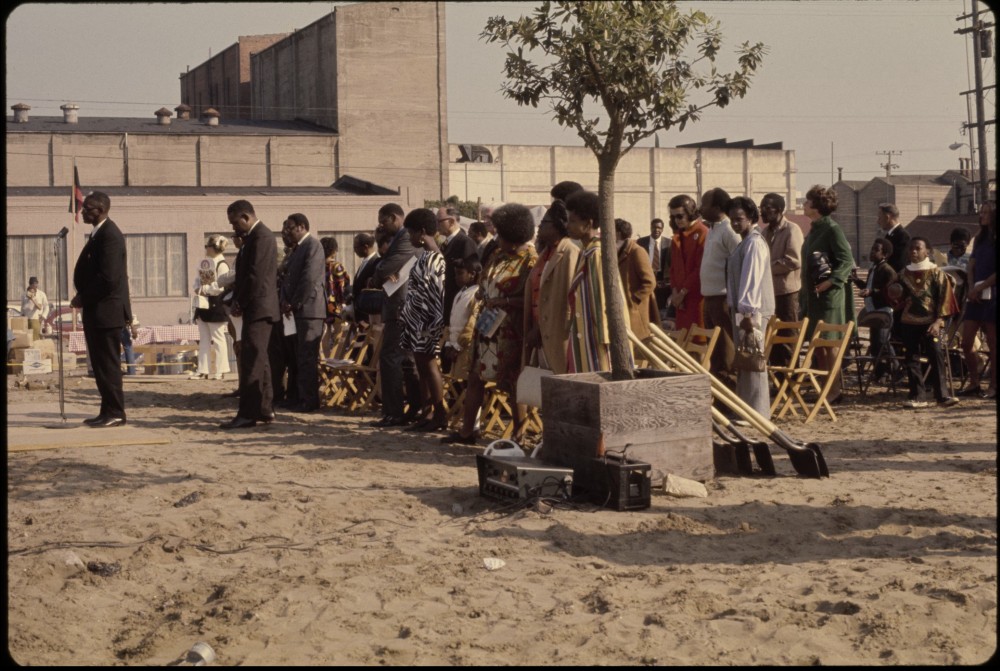
Then in the 1950s and 60s, so-called urban renewal came to the Fillmore and the Western Addition. Thousands of residents were forced out as homes and businesses were demolished in the name of progress. For those families, the path to ownership and the wealth it builds was erased. Understanding this history is part of why we are committed to serving a diverse clientele and helping everyone enjoy the benefits of home ownership.
Alongside that history, San Francisco was also becoming a refuge. People came here to live the way they wanted to live, and the city's housing played a part in that. Affordable Victorians were divided into shared flats and became home base for movements and communities.
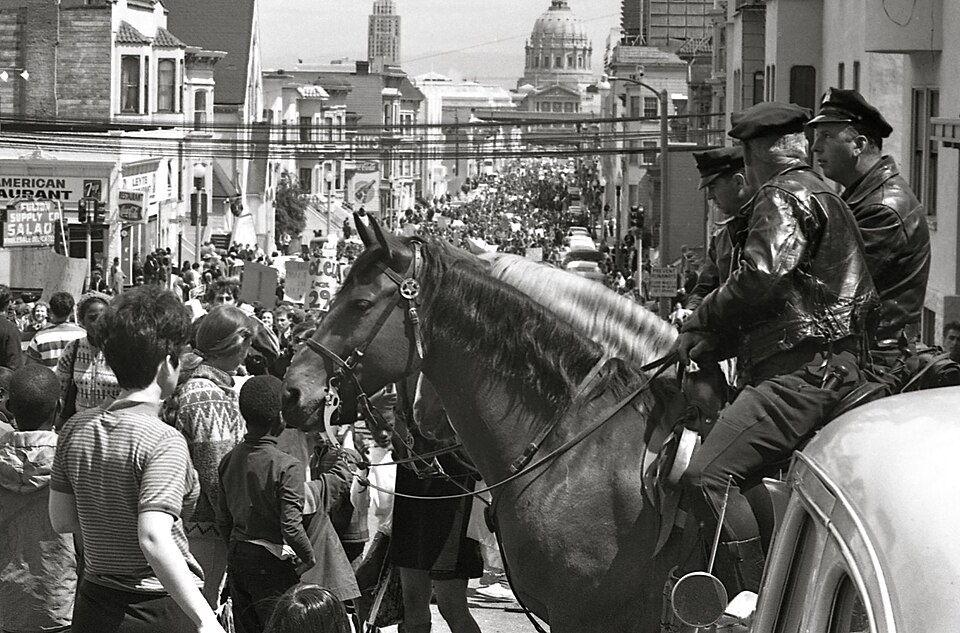
The 1960s brought the counterculture to the Haight-Ashbury, and the Summer of Love in 1967 drew young people from everywhere. In the 1970s, the Castro became the heart of LGBTQIA+ life in San Francisco and a symbol of acceptance for people across the country. A home in SF came to mean identity and community as much as shelter, an idea at the core of how we think about real estate.
The city stopped spreading outward a long time ago, so most of what happens now happens inside the homes already standing. San Francisco's strict preservation rules and the value buyers place on period character mean the classic facades usually stay put, even as everything behind them changes. A typical high-end remodel keeps the Victorian or Edwardian front intact and opens the warren of small rooms behind it into the bright, connected, open-plan kitchens and living spaces today's buyers want.
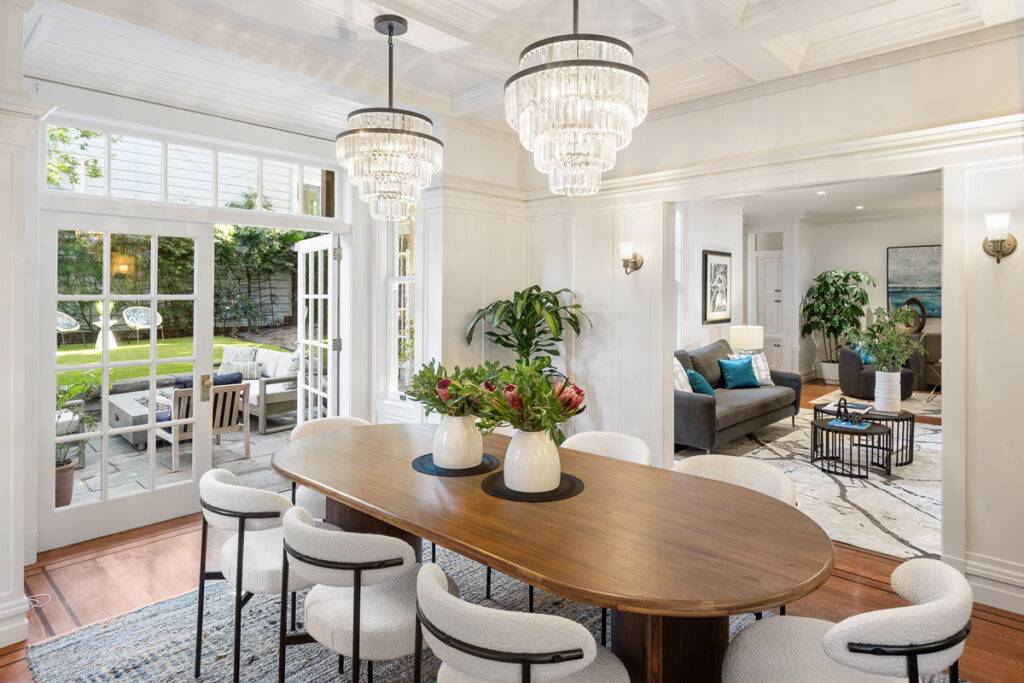
Owners are also finding new room in old buildings. Some dig down or build up to add bedrooms, family rooms, and lower-level suites, and a wave of new state and city rules has made it easier to convert garages and add backyard cottages, known as accessory dwelling units. Older wood-frame buildings have been getting seismic retrofits, a lasting lesson from 1906 and 1989. New condo towers and lofts have also risen in South of Market, Mission Bay, and along the eastern waterfront, adding a high-rise option to a city long defined by its houses.
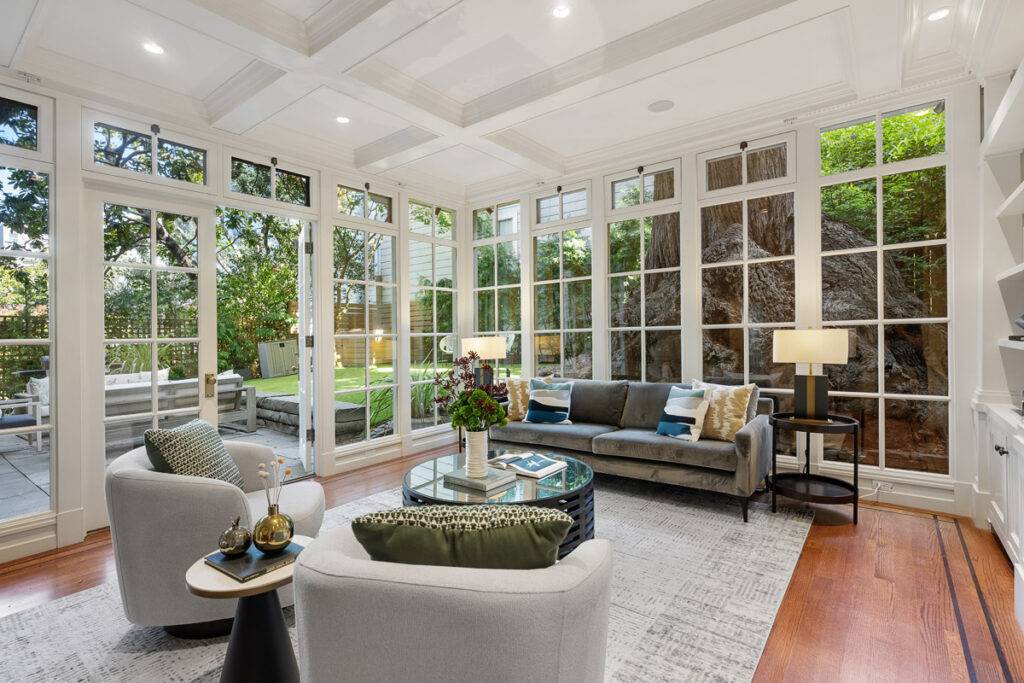
The pandemic left its mark here too. With more people working from home, demand jumped for a spare room to use as an office, for outdoor space, and for light-filled interiors, and those features now sit near the top of many buyers' wish lists.
The modern San Francisco market runs on technology, and tech moves in cycles. The dot-com boom of the late 1990s sent home prices and rents soaring, then the bust around 2000 and 2001 brought them back down to earth. The 2008 financial crisis delivered another hard reset.
In the 2010s, a wave of tech companies went public, and the new wealth that created pushed San Francisco prices to among the highest in the country. Neighborhoods like the Mission changed fast, and the affordability crisis that still defines the city took hold. California's Proposition 13, passed back in 1978, added another layer by capping property tax increases, which gives longtime owners a strong reason to hold on to what they have.
(Since 2021, Prop 19 has expanded this benefit by allowing qualified Californians to retain their lower tax basis when they sell and buy a new home within the state. Learn more in our post, Prop 19: Saving on Property Taxes When Moving in California.)
Here is the rough shape of the modern SF real estate market:
SF real estate during the pandemic years was more interesting than the headlines suggest. When COVID arrived in 2020, there was significant uncertainty, and plenty of people predicted a permanent exodus from dense cities like San Francisco.
What actually happened first was a boom. Through 2021 and into early 2022, mortgage rates sat near historic lows, and that cheap money fueled a wave of homebuying. Demand was strong and the market was busy.
The turn came in the middle of 2022. The Federal Reserve began raising interest rates quickly to fight inflation, and mortgage rates that had been near 3 percent climbed to around 7 percent. Higher borrowing costs cooled the housing market on their own. At the same time, those same conditions hit the tech sector hard, bringing layoffs and a sharp slowdown in hiring and new public offerings. Because so much of San Francisco's economy and job market runs on tech, that downturn fed straight into local real estate. The slump here was felt more sharply than in many other places for exactly that reason.
To no surprise of those paying attention, the recovery has followed the same pattern this city has repeated for 250 years. Starting around 2023, the artificial intelligence boom brought the tech sector roaring back, and much of that activity is centered right here in San Francisco. New companies, fresh capital, and a wave of hiring returned to the city, and that energy has flowed back into the housing market.
Demand has returned, especially in the most sought-after neighborhoods and property types, and competition among buyers has picked up again. San Francisco reinvented itself once more, right on schedule.
If there is one throughline across 250 years, it is that San Francisco always changes and always comes back. Consider what this city has lived through:
Each time it recovered, and its real estate market came back with it. History has rewarded those who understand this about San Francisco. It has humbled those who bet against it.
This is where experience matters. In 2002, our founder and lead listing strategist, Danielle Lazier, launched SFhotlist.com, San Francisco's first real estate blog. Our team has been working in this market ever since, guiding clients through the dot-com hangover, the 2008 crisis, the IPO surge, the pandemic boom, the rate-driven slump, and now the AI resurgence. You can read some of our client success stories here.
When you work with top real estate agents in San Francisco with real-time experience and long-term perspective, you get more valuable advice based on what really happens in this market.
San Francisco has spent 250 years proving that a home here is one of the best places to build a life and a future. We would be glad to help you do exactly that.
If you are getting ready to sell your home in San Francisco, our team will market your home beautifully and manage the entire process for you as your listing agents. If you are looking to buy a home in San Francisco, we will help you find the right home at the right price as your buyers agents. You can also sign up for our newsletter for regular updates on the San Francisco real estate market and local news worth knowing.
When you are ready to take the next step, contact us today and let's talk about your next chapter. We'd love to hear from you.