
Your home has been on the market five days. The offer date is next week. Then your agent calls: a buyer has submitted an offer now, well above asking, and it expires tomorrow morning.
This is a pre-emptive offer, and in San Francisco it is common enough that most sellers face the question at some point. Take the strong offer in hand, or hold the course and find out what the market does?
There is no single right answer. But there is a way to think about it that beats going with your gut.
A pre-emptive offer, sometimes called a pre-empt, is an offer submitted before the seller's stated offer date. Buyers write them for one reason: to buy the home before they have to compete for it.
They usually arrive with two features. The price is strong, often well above list, because the buyer is trying to make the number impossible to ignore. And the expiration is short, sometimes 24 hours or less, because the buyer does not want you shopping their offer around.
That short fuse is not hostility. It is the whole point of the strategy. Recognizing it for what it is makes the decision easier.
A pre-emptive offer is real information. Someone has seen your home, done the work, and put a number in writing. That is more than you knew yesterday.
What it does not tell you is where demand stops. One buyer's number is one data point. It reflects what that buyer will pay to avoid competition, which is not the same as what your home is worth in an open field.
Those two things get confused constantly, and the confusion is what leads sellers to accept too fast or hold out too long.
Plenty of pre-emptive offers should be accepted. A few situations where we would say yes.
The terms are as good as the price. No loan contingency, no appraisal contingency, proof of funds attached, a deposit that means something, and a close date that suits you. Price gets the attention, but terms are what determine whether you actually get to the finish line.
Your timeline is genuinely tight. A settlement deadline, a purchase you are carrying, a trust or estate distribution waiting on the sale. Certainty has real value, and it is reasonable to pay for it by not chasing the last dollar.
Your buyer pool is narrow. An unusual layout, significant deferred maintenance, an HOA with problems, a tenant in place, a TIC interest. When the number of people who can say yes is small, a committed buyer is worth more than an open process.
The interest behind them is thin. If almost nobody has taken your disclosure package and the open houses have been quiet, the competition you are holding out for may not exist.
Other buyers have taken disclosures and signaled they plan to write. This is the most useful number you have. It is not a guarantee, but it is the closest thing to a live measure of demand before offers arrive.
You are early in the marketing period. If your home has not had a full weekend of open houses, you have not met the market yet.
The price is strong but the terms are not. A high number with a long contingency period and a small deposit is worth less than it looks.
The expiration is doing the arguing. When a buyer's main lever is the clock rather than the offer itself, that tells you something about how they rate their own number.
Accept or decline is a false choice. There is a third move, and it is often the best one.
You can move your offer date up. Rather than accepting the pre-empt or turning it away, you tell the buyer you will consider their offer alongside any others submitted within 24 or 48 hours, and your agent contacts everyone who has taken disclosures to let them know the timeline has changed.
This keeps the strong offer alive, gives the interested buyers a fair chance, and compresses a week of waiting into a day. You get the competition without the wait, and the pre-empting buyer often stays because they still want the house.
It is not free. A buyer who writes pre-emptively is specifically trying to avoid this, and some will withdraw or come back lower rather than compete. That risk is real and worth weighing honestly.
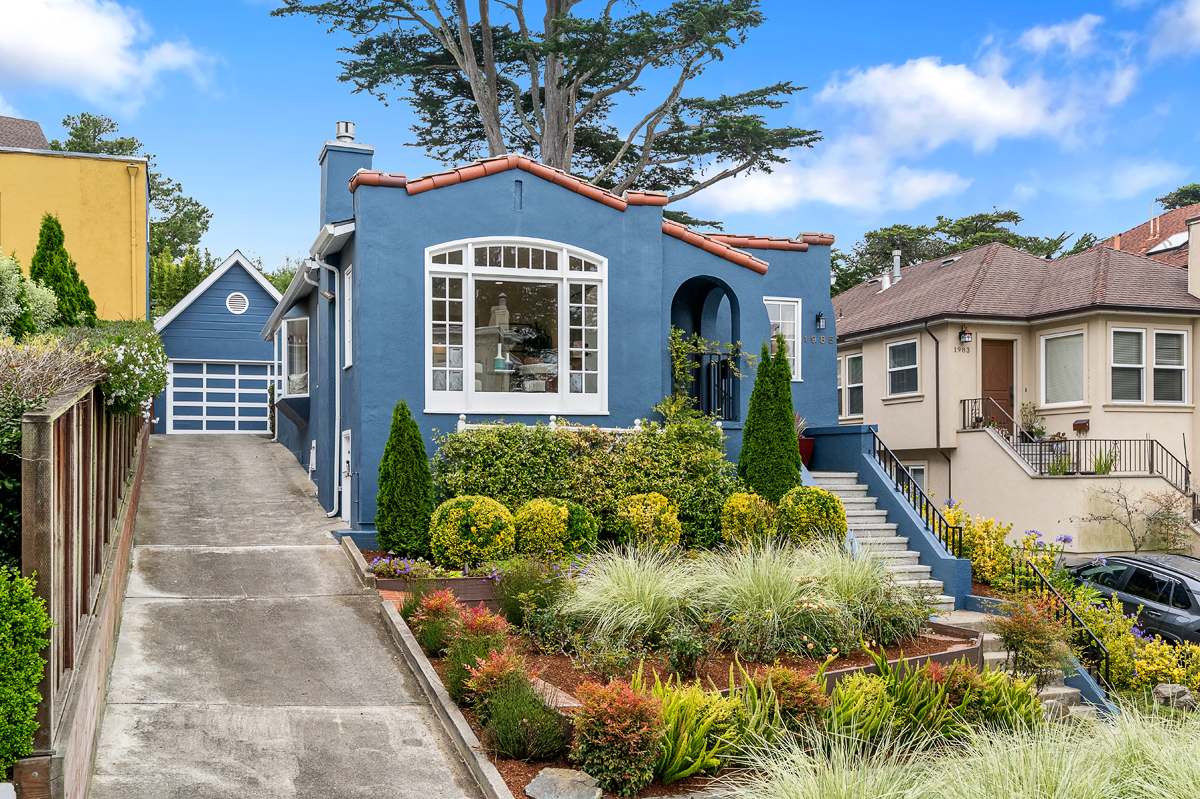
We used exactly this approach on a Forest Hill sale this summer. A buyer pre-empted at $2,200,000 on a home listed at $1,495,000. We asked the buyers holding disclosures to submit the next day. Seven more offers came in and the home sold for $2,625,000. It could have gone the other way, and the seller understood that before she agreed to wait.
If a pre-empt lands on your table, these five questions will get you most of the way to a decision.
That last one matters. You want an agent who will give you a real answer, including when the answer is take the money.
The same logic runs in reverse. A pre-empt works when your number is decisively better than what competition would produce and your terms remove every reason to hesitate. A pre-empt at a price the market would have reached anyway mostly invites the seller to shop it.
Expect to be asked to wait. Decide in advance what you will do if that happens, because deciding in the moment is how buyers overpay.
It is also worth understanding why list prices here look the way they do. Danielle wrote about that in Let's Talk about List Price, Baby, and the logic has not changed since.
If you are weighing an offer right now, or thinking about selling and want to understand how this plays out before you are in it, we are glad to talk. There is no cost and no obligation. Get in touch here.
Every sale is different, and nothing here is a prediction of what any particular home will do. The right call depends on your property, your timing, and what the market is doing that week.