

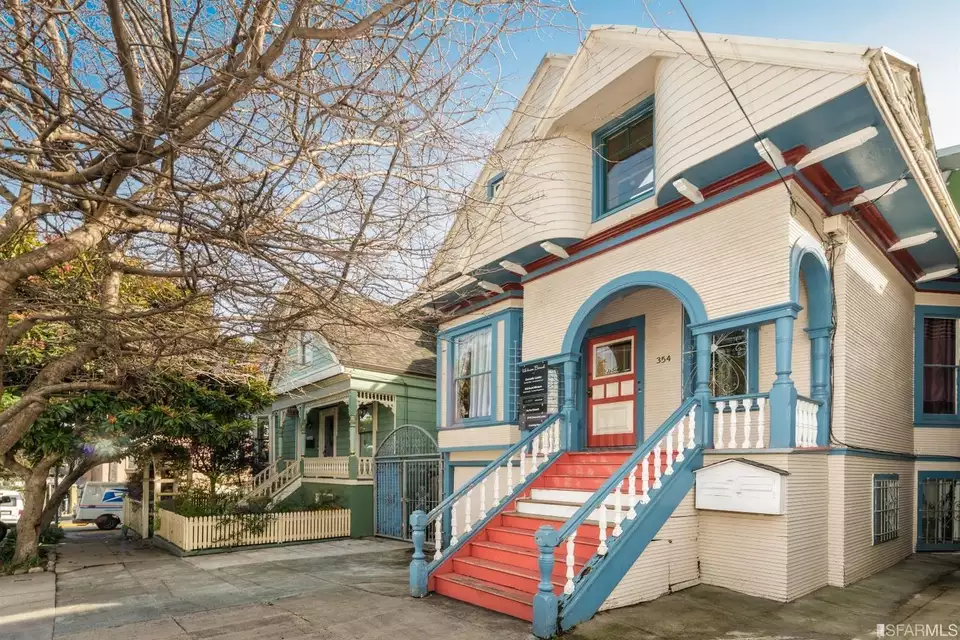
Selling a tenant-occupied building in San Francisco is one of the situations where pricing honestly at the start pays better than optimism, and this listing is a good illustration of why.
A buyer purchasing a property with tenants in place is not buying the same asset as a buyer purchasing a vacant one. They inherit the existing tenancies, the existing rents, and the protections those tenants hold under San Francisco's rent and eviction ordinances. Those protections are substantial, they are not something a new owner can simply plan around, and the rules change often enough that anyone considering this should be talking to a tenant-law attorney rather than to an agent alone.
The gap between occupied value and vacant value is not theoretical, and every serious buyer in this city knows how to calculate it. Pricing as though it does not exist fools nobody. It produces a listing that sits, and a home that sits accumulates a story that costs far more than the discount would have.
What we did here was the opposite. We priced it where an occupied building actually trades, said plainly what a buyer would be taking on, and let the right buyer find it. The pool for a property like this is smaller than for a standard single-family home, but the buyers in it are experienced, they are not frightened by the complexity, and they move decisively when the numbers are stated straight.
If you own a tenant-occupied building and are weighing whether to sell, work through three questions before you list: what the tenancies actually are, what they mean for a lender, and whether any pre-sale change to the occupancy is even lawful. Those answers determine your pricing strategy, and taking them in the wrong order is how these sales go badly.
Related: Case Study: Helping a Bernal Heights Homeowner Sell for $600K Above List Price